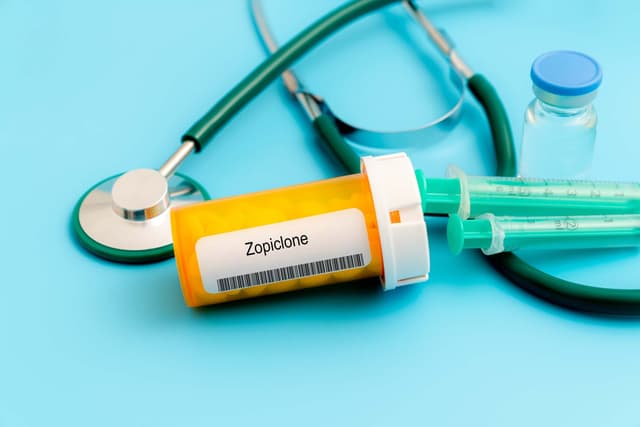
Can you overdose on Zopiclone?
Zopiclone is a prescription medication used to help people with severe insomnia. While effective for short-term sleep difficulties, it must be taken carefully. Misuse or taking more than prescribed can lead to overdose, which can be dangerous or even life-threatening.
This article explains what Zopiclone is, how it works and whether it’s possible to overdose on it. It also explores the signs of overdose, what to do if you suspect one, potential risks of mixing it with other substances and how to prevent overdose. Finally, it looks at how dependence on Zopiclone can be treated safely.
In One Sentence:
Yes, it is possible to overdose on Zopiclone, particularly if taken in high doses or mixed with alcohol, opioids, or other sedatives.
Key Takeaways
Here are the five biggest takeaways from this article about overdosing on Zopiclone:
Zopiclone is a prescription sleeping tablet for short-term treatment of severe insomnia.
Taking too much Zopiclone or mixing it with other depressants can cause serious overdose symptoms.
Symptoms of overdose include extreme drowsiness, breathing problems and loss of consciousness.
Avoiding alcohol, recreational drugs and other sedatives while taking Zopiclone significantly reduces risk.
Dependence and overdose risks can be managed with medical support and proper dosage supervision.

What is Zopiclone, and how is it used?
Zopiclone (commonly known by brand names such as Zimovane and Imovane) is a non-benzodiazepine hypnotic, often called a Z-drug. It is prescribed for the short-term treatment of severe insomnia.
Zopiclone works by acting on the brain’s gamma-aminobutyric acid (GABA) receptors, producing a calming effect that helps people fall asleep faster, stay asleep longer and reduce nighttime awakenings.
It is usually prescribed for short periods because the body can develop tolerance or dependence with long-term use.
Can you overdose on Zopiclone?
Yes. It is possible to overdose on Zopiclone if too much is taken, especially if combined with alcohol, opioids, or other sedative medications [1].
Z-drug overdoses, including Zopiclone, can lead to central nervous system depression, extreme drowsiness, slowed breathing, and, in severe cases, coma or death. The likelihood of a fatal overdose increases when Zopiclone is taken alongside other depressant substances or in high quantities.
Overdose risk is particularly high in people who self-medicate, mix the drug with alcohol or recreational drugs, or take more than prescribed to try to achieve a stronger sedative effect.
What are the symptoms of overdosing on Zopiclone?
Symptoms of Zopiclone overdose can range from mild to severe, depending on how much has been taken and whether it has been mixed with other substances [2].
Common symptoms include:
Severe drowsiness or confusion
Difficulty breathing or shallow breathing
Loss of coordination
Dizziness
Weak or irregular pulse
Blue lips or fingertips
Unconsciousness
If any of these symptoms occur, it should be treated as a medical emergency. Prompt medical attention can reduce the risk of serious complications.
What should you do if you think you've taken too much?
If you think you’ve taken more Zopiclone than prescribed, you should contact NHS 111 for advice or go to A&E immediately. Take your medication packaging or any remaining tablets with you so that medical professionals know exactly what you’ve taken.
You should not try to induce vomiting or take any other medicines. Medical staff may perform stomach washing or give you activated charcoal to reduce absorption. Treatment in the hospital might also include monitoring breathing and heart rate until the drug leaves your system.
Mixing Zopiclone with other medications and substances
Zopiclone interacts with many medicines and substances that affect the central nervous system. Combining it with these can increase drowsiness, reduce coordination, and heighten the risk of overdose. The table below highlights some common interactions.
Medication or Substance | Advice on Interactions | Studies and Limitations |
| Alcohol | Combining alcohol with Zopiclone can significantly increase sedation and slow breathing. Regular combined use may lead to more severe withdrawal symptoms when stopping. | |
| Recreational Drugs | Recreational substances, such as cannabis or stimulants, can alter how Zopiclone works and may lead to unpredictable effects, increased sedation, or anxiety. |
|
| Opioids and Painkillers | When combined, these can severely depress breathing and increase overdose risk. Even prescribed opioids should be used only under strict medical guidance. | |
| Antihistamines | Many antihistamines increase drowsiness when taken with Zopiclone. They can also reduce alertness and coordination. | Based on NHS guidance. |
| Antidepressants and Antipsychotics | These can intensify sedative effects and increase the risk of confusion or impaired concentration. Medical supervision is essential when used together. | NHS data, based on known drug class interactions. |
| Epilepsy Medications | Certain antiepileptic drugs may interact with Zopiclone, altering its sedative effects and increasing side effects. |
|
| Antibiotics and Antifungals | Some antibiotics and antifungal medicines can interfere with how Zopiclone is metabolised, affecting its safety and effectiveness. | |
| Herbal Supplements | Herbal remedies like valerian or St John’s Wort may enhance sedation or alter drug metabolism. |
|
| Caffeine | Caffeine may reduce the sedative effects of Zopiclone and make it harder to sleep. |
|
Preventing an overdose
The best way to prevent a Zopiclone overdose is to follow your doctor’s instructions exactly. Never take more than the prescribed dose and avoid using it for longer than advised.
Other ways to reduce risk include:
Taking Zopiclone only when you can get a full night’s sleep (7-8 hours)
Avoiding alcohol, smoking or recreational drugs while on the medication
Informing your doctor about any other medicines or supplements you take
Storing tablets out of reach of children and others who may misuse them
Never sharing your prescription with anyone else
If you find you need Zopiclone regularly or feel you cannot sleep without it, speak to your GP. This may indicate dependence, which should be addressed under medical supervision.
How is dependence on Zopiclone treated?
Dependence on Zopiclone can develop if the medication is used for long periods or at higher doses. Treatment involves gradually reducing the dose under medical guidance, sometimes alongside counselling or behavioural therapy [13].
NHS services and addiction support centres can help by offering supervised detox programmes, psychological therapies and follow-up care.
The aim is to help individuals stop safely, manage withdrawal symptoms and develop healthy sleep routines without relying on medication.
Final Thoughts
Zopiclone is an effective short-term treatment for sleep problems when used as prescribed. However, taking more than recommended or mixing it with other sedatives can be extremely dangerous. Recognising the signs of overdose, understanding potential interactions and seeking timely help are vital steps in staying safe. Anyone struggling with dependence or difficulty reducing use should speak to a GP or addiction specialist for professional support.
Sources
[1] Fatal Intoxications with Zopiclone—A Cause for Concern? - PMC
[2] How and when to take zopiclone - NHS
[3] Fatal Intoxications with Zopiclone—A Cause for Concern? - PMC
[4] What Are the Effects of Mixing Sleeping Pills and Alcohol? - Alcohol
[5] Zopiclone & Weed: Risks & Side Effects of Mixing - PharmXtra
[9] Effect of itraconazole on the pharmacokinetics and pharmacodynamics of zopiclone - PubMed
[11] HIV treatment and drug-drug interactions | aidsmap
Related Blog Posts


Content last updated: